Comprehending the Different Types of Cooling And Heating System for Optimal Efficiency
Comprehending the different kinds of heating and cooling systems is crucial for property owners aiming to improve convenience and power performance. Central air conditioning systems give uniform temperature level control, while ductless mini-split systems offer flexibility. Heat pumps supply effective year-round environment administration. For smaller sized spaces, home window and portable a/c unit act as useful solutions. Geothermal systems make use of constant underground temperature levels for sustainable cooling and heating. Each option holds unique benefits, prompting a better evaluation of which may fit individual requirements best.
Air Conditioning Equipments
Lots of homeowners seek ways to enhance interior convenience, understanding central air conditioning systems is vital for reliable climate control. Central air runs by circulating great air through a system of air ducts, dispersing it evenly throughout the home. This kind of system contains numerous essential elements, consisting of an outdoor compressor, an interior evaporator coil, and a network of ductwork.
The compressor cools down cooling agent, which after that soaks up heat from interior air as it passes with the evaporator coil. This cooled down air is pushed via the air ducts and into living spaces, guaranteeing a constant temperature. Central air systems are known for their efficiency, typically making use of programmable thermostats to enhance power use. Routine upkeep, such as filter adjustments and system checks, is important to guarantee durability and efficiency. Understanding these components assists homeowners make notified choices regarding installation and upkeep, inevitably improving comfort and energy effectiveness in their homes.

Ductless Mini-Split Solutions
Ductless mini-split systems supply a versatile option to typical air conditioning, satisfying homeowners looking for effective environment control without the need for comprehensive ductwork. These systems include an outdoor compressor system and one or even more indoor air-handling devices, permitting for targeted cooling and heating in certain locations or areas. This zoning capacity boosts comfort by allowing individuals to change temperatures based on private preferences, eventually causing energy financial savings.
Installation is generally less complex and much less intrusive contrasted to ducted systems, which can be useful for older homes or spaces with restricted structural alterations. Additionally, ductless mini-split systems typically feature energy-efficient modern technologies, such as inverter-driven compressors, which optimize power usage based on need. Their small design also enables various placement choices, making them optimal for tight or unusual spaces. Therefore, ductless mini-split systems have actually gotten popularity amongst house owners seeking modern-day, reliable HVAC options.
Warm Pumps
Warmth pumps represent an energy-efficient and versatile alternative for both home heating and cooling property rooms. These systems run by moving warmth rather than creating it, making them especially efficient in modest environments. During warmer months, heatpump extract heat from indoors and release it outside, offering air conditioning. Alternatively, in wintertime, they reverse this process, attracting warm from the outdoors air or ground to heat the interior.
There are two primary kinds of heat pumps: air-source and ground-source (or geothermal) Air-source heatpump are a lot more usual because of their less complex installment and reduced preliminary expense, while ground-source designs boast greater effectiveness and stability in efficiency. Furthermore, heatpump can especially reduce power costs and carbon impacts when compared to typical home heating techniques, making them an environmentally friendly selection. In general, heatpump stand as a compelling option for homeowners seeking effective environment control throughout the year.
Home Window and Portable Air Conditioners

On the various other hand, portable air conditioning unit supply versatility, as they can be conveniently moved from room to area. These units normally call for a venting kit to exhaust hot air via a window, yet they provide a hassle-free option for short-term cooling needs.
Both sorts of air conditioning system appropriate for tenants and those looking for to prevent extensive installment procedures. Users must consider aspects such as BTU ability, energy effectiveness scores, and sound degrees when selecting a system to ensure peak performance for their specific space and air conditioning requirements.
Geothermal Heating and Cooling Solutions
As power efficiency ends up being progressively vital, geothermal cooling and heating systems have actually gotten appeal for their lasting technique to environment control. These systems make use of the secure temperature levels located underground to supply heating in winter season and air conditioning in summertime. By using the planet's natural thermal energy, geothermal systems significantly minimize dependence on fossil gas and reduced energy expenses.
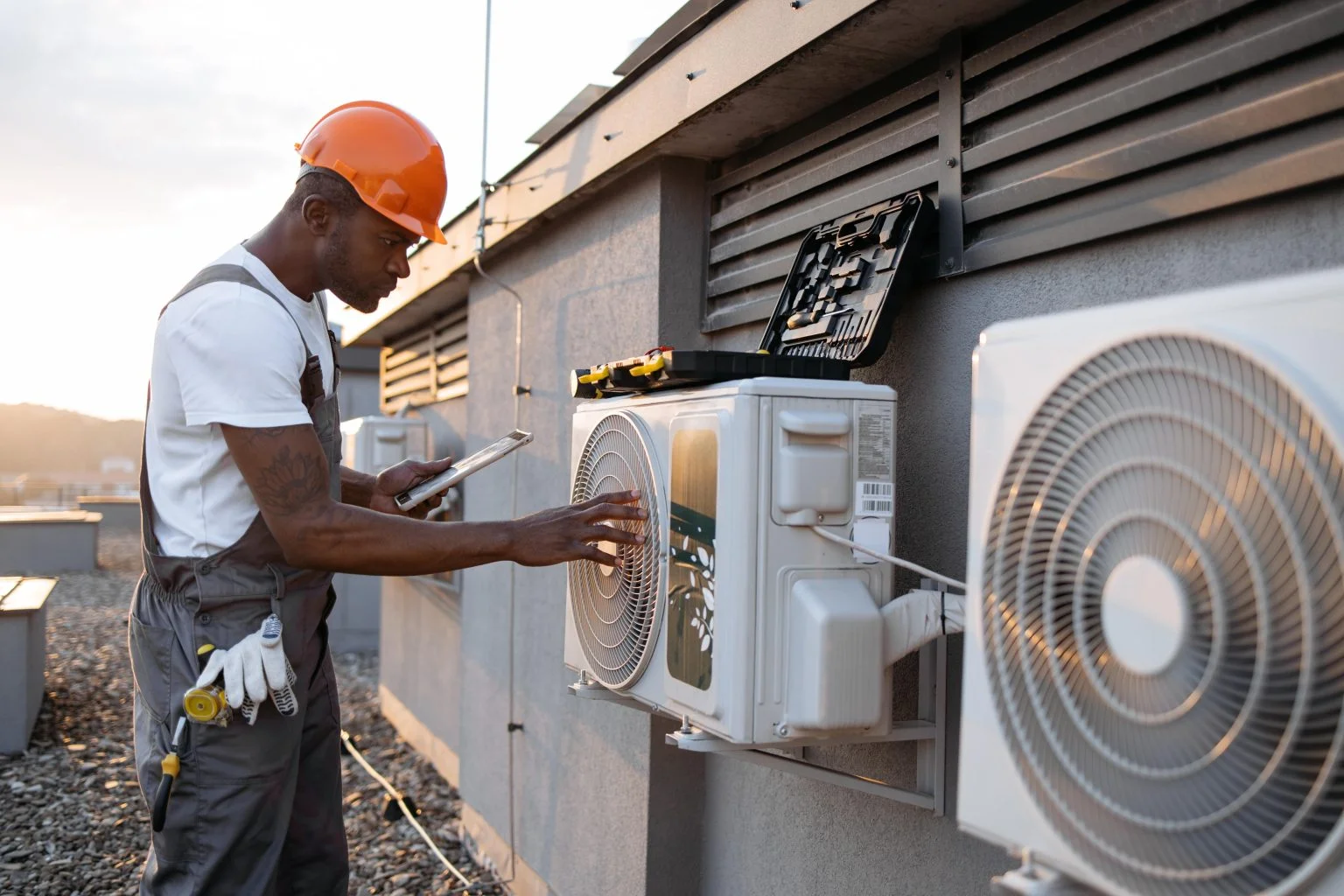
Geothermal systems typically call for much less upkeep contrasted to typical A/c systems, resulting in long-term savings. With enhancing recognition of environment change, these systems represent a forward-thinking option for those seeking effective and eco-friendly heating and cooling options
Regularly Asked Concerns
Just how Commonly Should I Service My HVAC System?
A/c systems ought to ideally be serviced twice a year, as soon as in the springtime and as soon as in the fall. Regular upkeep helps ensure performance, lengthens life-span, and stops costly malfunctions throughout top usage periods.
What Size HVAC System Do I Required for My Home?
Determining the suitable dimension for an a/c system needs computing the home's square footage, insulation high quality, and climate. A professional evaluation assurances optimal performance, comfort, and power savings tailored to the particular requirements of the residence.
Can I Mount an A/c System Myself?
Mounting a cooling and heating system separately is possible, however it calls for technological understanding and skills. Mistakes can cause inadequacy or safety and security threats, so consulting a professional is frequently recommended to guarantee appropriate setup and conformity with guidelines.
What Are the Signs My A/c System Requirements Repair?
Signs that an a/c system requires repair service consist of unusual sounds, inconsistent temperatures, raised power costs, unpleasant smells, and frequent cycling. Trigger attention to these signs can protect against more damages and assurance peak system efficiency.
Just How Can I Enhance My HVAC System's Energy Performance?
To enhance cooling and heating power efficiency, one ought to routinely replace filters, seal ducts, mount a programmable thermostat, guarantee proper insulation, and schedule routine maintenance checks. HVAC read more experts. These actions jointly improve efficiency while minimizing energy intake and costs
Central air conditioning systems give consistent temperature control, while ductless mini-split systems provide flexibility. Central air conditioning runs by flowing cool air through a system of air ducts, distributing it uniformly throughout the home. Central air conditioning systems are recognized for their performance, typically using programmable thermostats to optimize power use. Ductless mini-split systems use an adaptable option to traditional main air conditioning, providing to home owners looking for effective environment control without the requirement for considerable ductwork. Geothermal systems typically require less upkeep compared to standard HVAC systems, resulting in long-lasting savings.